
The historical evolution of gambling How games of chance transformed through the ages
The Origins of Gambling
The practice of gambling has roots that stretch back thousands of years, intertwining with human civilization itself. Archaeological evidence suggests that ancient cultures, from the Chinese to the Romans, engaged in games of chance as early as 2,300 BCE. In these early societies, gambling often revolved around simple forms, such as betting on the outcomes of events or games that relied on chance, establishing a foundation for future developments. As modern platforms like Game4u Casino illustrate, the allure of these games has persisted through the ages.

As civilizations evolved, so did the complexity of gambling activities. The introduction of dice, which were first used in ancient India, and the emergence of betting on sporting events laid the groundwork for more structured forms of gambling. These early games not only served as entertainment but also played a role in social bonding and ritualistic practices.
The Middle Ages: Regulation and Culture
The Middle Ages saw a significant shift in gambling culture, influenced by religious attitudes and government regulations. Many societies viewed gambling with suspicion, leading to periods of prohibition. However, this did not diminish the popularity of games of chance. Instead, underground gambling emerged alongside the establishment of licensed gaming houses, highlighting a tension between regulation and desire.
During this time, card games gained prominence, particularly in Europe. The introduction of playing cards in the 14th century diversified gambling options, allowing for a blend of strategy and chance. This evolution laid the groundwork for various card games that are still enjoyed today, reflecting a balance between skill and luck.
The Age of Enlightenment: Rise of Modern Gambling
The Age of Enlightenment brought about a new era of gambling that embraced reason and probability. The establishment of state-run lotteries in the 16th and 17th centuries illustrated how governments began to harness gambling as a means of revenue. This shift marked the transition from gambling being merely a pastime to becoming an industry with economic implications.
Moreover, the development of probability theory in the 17th century by mathematicians like Blaise Pascal and Pierre de Fermat revolutionized the understanding of gambling. Their work provided insights into odds and risk, fundamentally changing how games were designed and played, paving the way for a more analytical approach to gambling that is prominent today.
Modern Gambling: Technology and Accessibility
The 20th century marked a profound transformation in the gambling landscape with the advent of technology. The introduction of electronic gaming machines and later, online casinos, revolutionized how people engaged with games of chance. Online platforms have significantly expanded accessibility, allowing players to participate from the comfort of their homes.
Additionally, the integration of advanced technologies like live dealer games has brought the experience of traditional casinos into the digital realm, creating a hybrid model that appeals to a broader audience. This evolution reflects a continuous adaptation to societal changes, enhancing user experience and engagement with gambling activities.
Game4u Casino: A Modern Gaming Experience
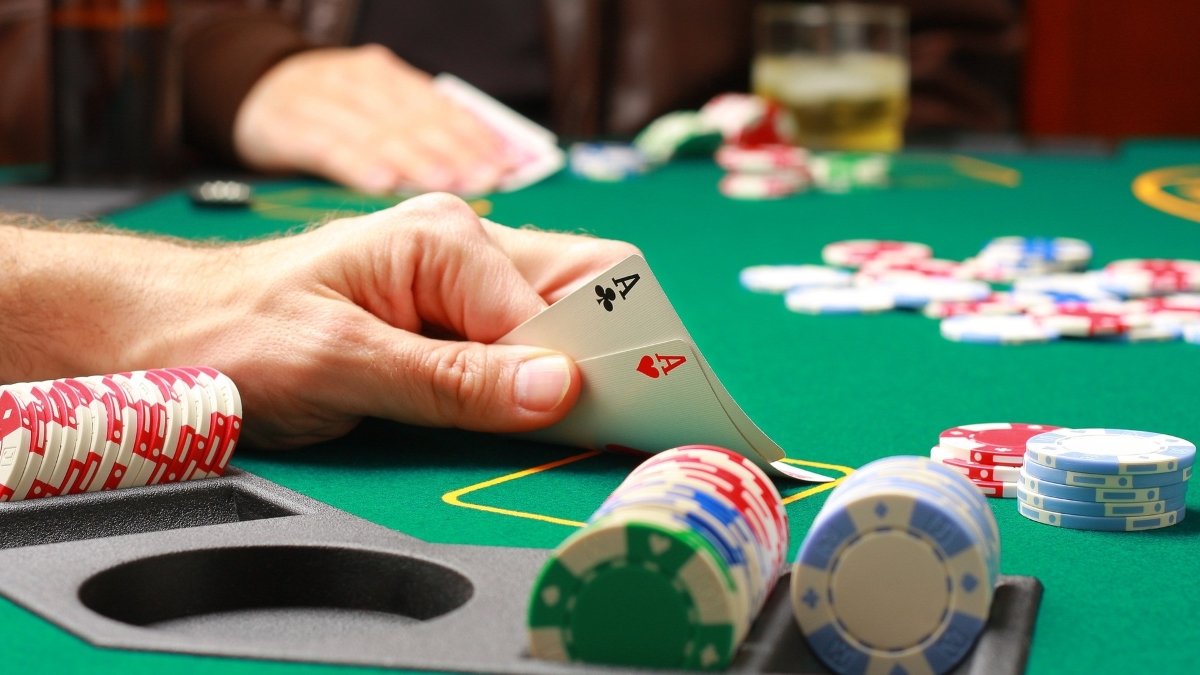
Game4u Casino stands at the forefront of the modern gambling revolution, offering a diverse selection of gaming options tailored for Australian players. With a focus on user experience, the platform provides a seamless transition between desktop and mobile gaming, ensuring that players can enjoy their favorite games anytime, anywhere.
Moreover, Game4u Casino prides itself on its commitment to fast transactions and exceptional customer support. This dedication not only enriches the gaming experience but also fosters a community among players. As gambling continues to evolve, platforms like Game4u Casino are essential in shaping the future of games of chance, making them accessible, enjoyable, and rewarding for everyone.