
The Illusion of Fairness
Casinos often present themselves as establishments built on chance, where the outcomes of games like slots, blackjack, and roulette appear to be governed solely by luck. However, behind the glitzy facades and brightly lit gaming floors lies a complex web of mathematical strategies designed to manipulate probabilities in favor of the house. This illusion of fairness is a key psychological tool, luring players into a false sense of security as they gamble their hard-earned money. Those interested in an exciting experience might also want to check out the top 10 online casinos that offer a range of thrilling games.
The design of games and the rules imposed further skew the odds. For example, while it may seem that a player has a 50% chance of winning on a coin flip, factors such as the house edge significantly reduce those odds when playing in a casino setting. Understanding how these manipulations work can help players make more informed decisions and potentially mitigate losses.
The House Edge: Understanding its Impact
At the core of casino profitability lies the concept of the house edge, which represents the statistical advantage that the casino holds over the player. Each game is crafted with specific rules that ensure this edge is always in play, regardless of individual player skill. For instance, in games like blackjack, the house edge can fluctuate based on the player’s strategy, but it typically hovers around 1% to 2%, meaning that over time, the casino is set to generate a profit from every player.
This edge is calculated based on the total number of outcomes and the probabilities of winning versus losing. By adjusting the odds in their favor, casinos ensure that while players may win in the short term, the long-term statistics reveal a different story, reinforcing the idea that the casino is always victorious in the grand scheme of gambling.
The Role of Game Design in Manipulating Odds
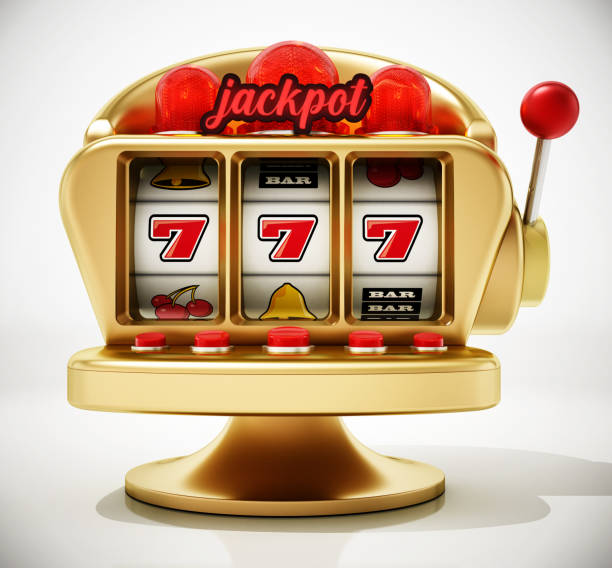
Game design plays a pivotal role in how casinos manipulate probabilities. From the placement of game machines to the visual and auditory stimulation provided, every aspect is meticulously crafted to enhance player engagement while subtly guiding them toward more losses. For instance, slot machines are designed to keep players spinning the reels longer, with bright colors and enticing sounds that create a sense of urgency and excitement.
Additionally, the random number generators used in electronic games are programmed to ensure that the statistical outcomes favor the casino. Players may believe they are playing against chance, yet the algorithms are expertly designed to calculate when to generate wins and losses, leading players to chase their losses further and, often, to their detriment.
The Psychology Behind Gambling Behavior
Understanding the psychological tactics used by casinos can shed light on why players often find themselves trapped in a cycle of gambling. Many players fall prey to cognitive biases, such as the gambler’s fallacy, where they believe that past outcomes influence future ones. This belief can lead to risky betting behaviors, such as increasing wagers after losses, in hopes of recouping funds.
Moreover, casinos employ techniques such as loyalty programs and free rewards to create an attachment to their establishments. Such incentives can cloud judgment and drive players to gamble even when odds are stacked against them, reinforcing the casino’s financial advantage while exploiting the emotional ties that players develop.

Empowering Players Through Awareness
As players become more aware of how casinos manipulate probabilities, they can make more informed choices that protect their finances. By understanding the games’ mechanics and the mathematical laws that govern them, individuals can approach gambling with a more critical mindset, recognizing that responsible play is essential. Education surrounding the house edge, game design, and psychological tactics is vital for fostering a healthier gambling environment.
Resources such as governancevote.ca are designed to empower individuals through informed civic engagement. Just as players should be equipped with knowledge about probabilities in casinos, communities can benefit from being informed about their rights and responsibilities in decision-making processes. Fostering transparency in both gaming and governance can lead to a more informed and engaged citizenry.